

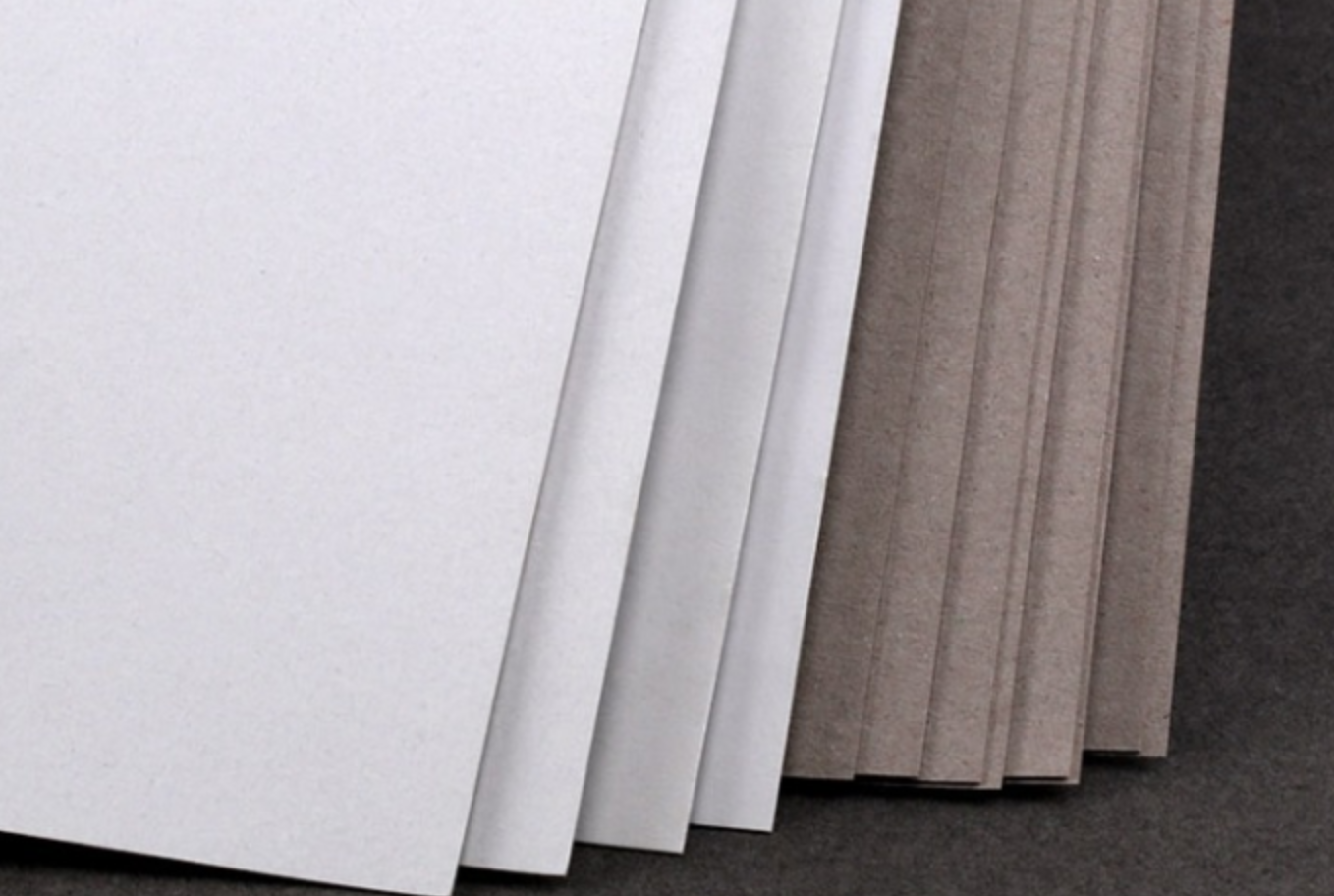
Why Choose Duplex Board with Grey Back
Duplex board with grey back is a widely utilized substrate in the world of industrial and retail packaging. Technically defined, it is a multi-ply paperboard featuring a smooth, bright white coated exterior for high-quality printing and an uncoated, grey interior layer. Because the grey back is primarily composed of recycled post-consumer and pre-consumer fibers—though exact recycled-content ratios and pulp sources vary by mill and certification—it keeps raw material costs down while still delivering a highly presentable surface for exterior branding. Packaging converters, printing houses, and brand owners rely on it daily to create folding cartons that look great on the shelf without exceeding budget constraints. It strikes a practical balance, supporting more sustainable material use by giving recycled mixed paper a second life as reliable structural packaging.
Limitations & Compliance: While highly versatile, it is important to note certain material limitations upfront. The grey side of the duplex board is typically not rated for direct food contact, necessitating secondary barriers (such as inner bags or plastic films) for consumables. Additionally, because it relies on recycled content, buyers should account for potential fiber variability and lower wet strength compared to solid Kraft grades.
Print Quality and Cost Balance
Finding the optimal balance between a premium appearance and strict budget constraints is a primary challenge in packaging design. The white coated front of this board handles offset and flexo printing beautifully, allowing for crisp text, vibrant colors, and advanced finishing techniques like spot UV, embossing, or foil stamping. Meanwhile, the grey layer provides necessary bulk and stiffness, allowing for a thinner coated top layer without requiring expensive virgin pulp.
By opting for a grey interior instead of a solid bleached board, packaging buyers can achieve significant cost savings, often estimated between 15% and 30% depending on regional market conditions and supplier pricing. These savings accumulate rapidly on high-volume production runs, allowing brands to allocate resources toward marketing or product development while still maintaining a premium outward appearance.
Common Retail Packaging Uses
In retail environments, it is common to find dozens of products packaged in this specific board. It is the go-to choice for dry food packaging like cereal boxes, tea cartons, bakery boxes, and snack multi-packs. Pharmaceutical companies and personal care brands also use it extensively for secondary packaging, ensuring the product inside stays protected from light and minor impacts during transit.
Typically, standard retail cartons utilize board weights ranging from 250gsm up to 500gsm, depending on product weight and whether the box needs to withstand stacking on pallets. The upper weights (450gsm to 500gsm) are generally warranted for heavier items or when enhanced structural integrity is necessary. For lightweight toys or blister-card backings, a 300gsm board usually provides an ideal mix of rigidity and foldability, ensuring it runs smoothly through both manual and fully automated packing lines.
How to Compare Duplex Board with Grey Back
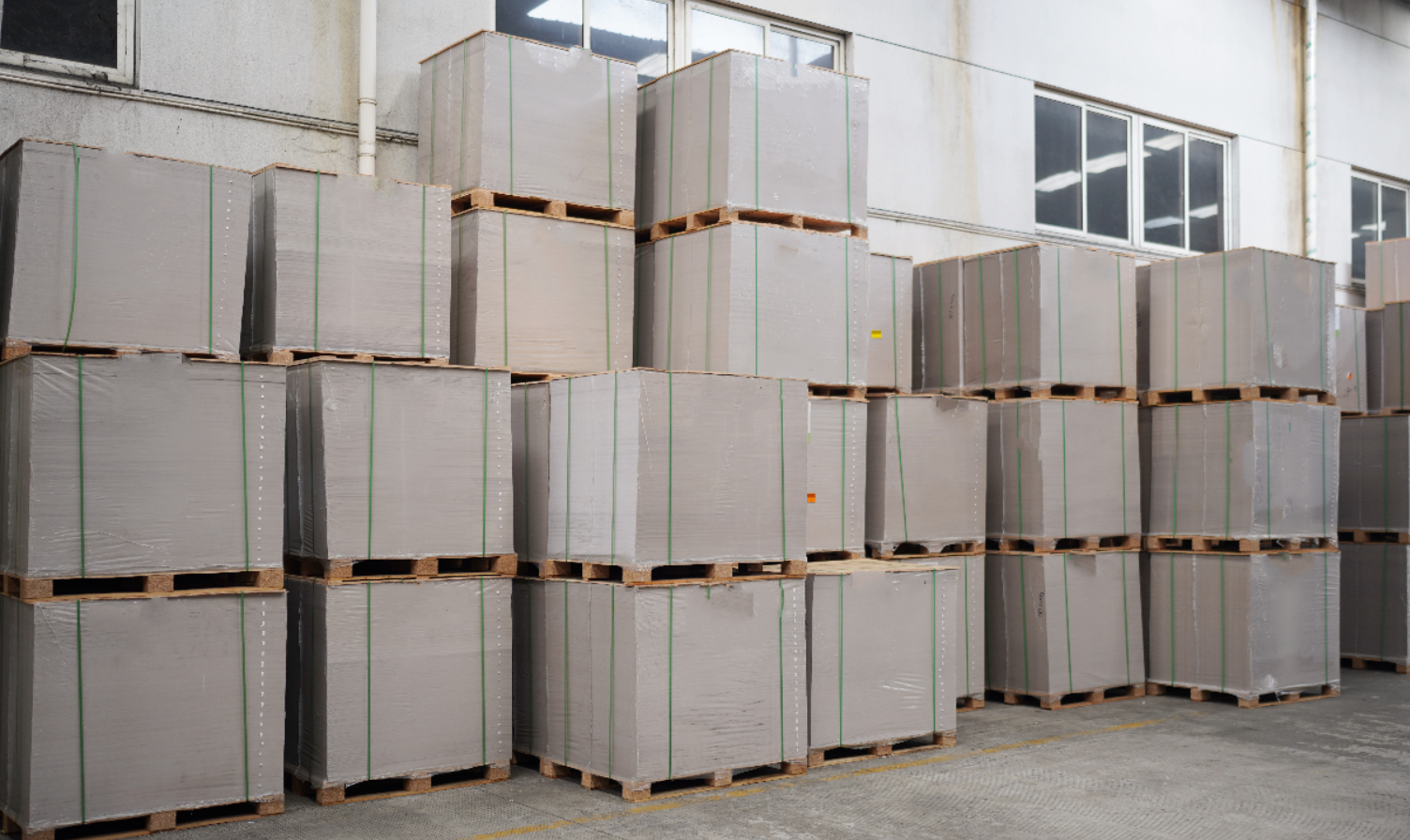
When assessing different paperboard options for a new product launch or a packaging overhaul, evaluating technical specifications is critical. Not all duplex boards perform identically on automated folding and gluing lines, requiring buyers to establish standardized comparisons. Understanding the physical properties of the board ensures that the final carton will maintain its structural integrity on retail shelves and protect the enclosed goods.
Key Specifications to Check
Several technical specifications dictate how well a board will perform during the converting process. The most common metric is GSM (grams per square meter), which dictates the weight, but caliper (actual thickness) is equally important for die-cutting precision. If the caliper fluctuates too much across a single roll, it can cause severe jamming in high-speed converting machines.
Buyers should also check the board’s stiffness—often measured in millinewtons (mN) using the Taber stiffness test—to ensure the carton will not bulge when filled with heavy items. Another crucial factor is moisture content. A stable moisture level, usually sitting right around 7% to 9%, prevents the board from curling or warping when it runs through high-speed printing presses or sits in a humid warehouse.
Comparison with Other Paperboard Types
It is beneficial to evaluate how duplex board with a grey back compares against market alternatives. Solid Bleached Sulfate (SBS) is a premium, bright white substrate excellent for luxury goods, though it carries a higher cost. Duplex board with a white back offers a middle ground, providing a cleaner interior aesthetic while still utilizing recycled materials in the middle layers. Kraft board provides high tensile strength and supports rustic, eco-friendly branding, but it lacks the smooth white printing surface of a coated duplex board.
| Board Type | Cost Index (Relative) | Common GSM Range | Primary Application |
|---|---|---|---|
| Duplex Board (Grey Back) | $$ | 250 – 500 gsm | Everyday retail, dry foods, pharmaceuticals |
| Duplex Board (White Back) | $$$ | 250 – 450 gsm | Mid-tier cosmetics, premium electronics |
| Solid Bleached Sulfate (SBS) | $$$$ | 200 – 400 gsm | Luxury cosmetics, high-end food, medical |
| Coated Unbleached Kraft (CUK) | $$$ | 300 – 500 gsm | Heavy-duty beverage carriers, hardware |
How to Source Duplex Board with Grey Back
Establishing a dependable supply chain for packaging materials requires careful evaluation, particularly in a market with fluctuating pulp prices. For carton converters, printing houses, and private label suppliers, securing a steady flow of high-quality board is essential to maintaining production schedules and satisfying client demands. Understanding how to navigate the sourcing process can save companies significant time and resources.
Steps for Packaging Buyers
The sourcing process typically begins with defining the exact roll widths or sheet dimensions needed to minimize trim waste on the printing press, as excess waste directly impacts profit margins. Once specifications are finalized, buyers should evaluate minimum order quantities (MOQs) and lead times.
Key Takeaways
- Choose duplex board with grey back when you need a printable white exterior and a lower-cost recycled grey interior for high-volume folding cartons.
- Expect potential cost savings of about 15% to 30% versus solid bleached board, depending on market conditions and supplier pricing.
- Specify board weights from 250gsm to 500gsm based on product weight, stacking needs, and whether the carton must run on automated packing lines.
- Use secondary barriers such as inner bags or films when packaging food, because the grey back is typically not suitable for direct food contact.
- Account for recycled-fiber variability and lower wet strength compared with solid Kraft grades when designing packaging for demanding logistics conditions.
Frequently Asked Questions
What is duplex board with grey back used for?
It is commonly used for retail and industrial folding cartons, including cereal boxes, tea cartons, bakery boxes, snack multipacks, pharmaceuticals, personal care packaging, toys, and blister-card backing.
Why is the grey back more cost-effective?
The grey inner layer typically uses recycled pre-consumer and post-consumer fibers, reducing reliance on virgin pulp while maintaining a smooth white coated surface for branding and printing.
Can duplex board with grey back be used for food packaging?
Yes, but usually for secondary packaging. The grey side is typically not rated for direct food contact, so consumables often require an inner bag, liner, film, or other approved barrier.
What grammage is suitable for retail cartons?
Most retail cartons use 250gsm to 500gsm. Lightweight products may use around 300gsm, while heavier products or pallet-stacked cartons often require 450gsm to 500gsm for better stiffness.
How well does it support printing and finishing?
The coated white front supports offset and flexo printing, crisp text, vibrant colors, and finishing options such as spot UV, embossing, and foil stamping.
Post time: Aug-12-2026


