


Paper buying has become a high-stakes balancing act for B2B teams managing print quality, production timelines, sustainability targets, and cost pressure. Static catalogs and manual supplier emails are no longer enough when inventories shift quickly and specifications must be exact. AI is changing the procurement workflow by turning historical spend, technical paper requirements, supplier data, and market signals into tailored sourcing recommendations. This article explores how intelligent procurement systems help buyers compare grades, weights, brightness levels, compliance factors, and substitute options faster—while still keeping human judgment at the center of final decisions.
AI-Personalized Paper Procurement
B2B paper procurement traditionally involved navigating massive catalogs and hoping a preferred supplier had enough stock to keep operations running. Today, artificial intelligence is reshaping the paper supply chain by creating highly customized buying experiences. By analyzing purchasing habits and market trends, predictive models automate complex matching processes, helping companies secure the materials they need more efficiently and with fewer logistical headaches.
What AI-personalized procurement means
This technology shifts purchasing from a rigid, one-size-fits-all catalog to a dynamic, tailored buying environment. Unlike standard rules-based automation—which relies on simple reorder triggers when stock hits a certain threshold—AI utilizes pattern recognition across historical spend to learn a procurement team’s preferences, volume requirements, and sustainability goals. It then curates a specific lineup of products that fit those exact parameters. Depending on the complexity of the supply chain, implementing these advanced systems can significantly reduce routine sourcing cycles. In some cases, early adopters report cycle reductions of up to 40%, freeing up buyers to focus on strategy and supplier relationships rather than endlessly searching for stock.
Traditional buying versus AI-driven sourcing
The traditional way of buying paper involves manual requests for proposals, lengthy email threads, and tracking inventory on static spreadsheets. If a preferred mill runs out of a specific uncoated sheet, buyers must scramble to find an alternative. AI-driven sourcing works proactively. It monitors global inventories across thousands of paper SKUs in real time. If a primary choice is running low, the system automatically suggests the next best alternative based on past approvals and strict technical criteria. Rather than guessing, the AI matches substitutes using exact specifications such as basis weight, caliper, brightness, formation, and runnability, ensuring buyers understand the substitution logic. While human oversight remains essential for final purchasing decisions, this predictive capability helps ensure printing presses stay operational.
Paper Specifications and Supply Factors
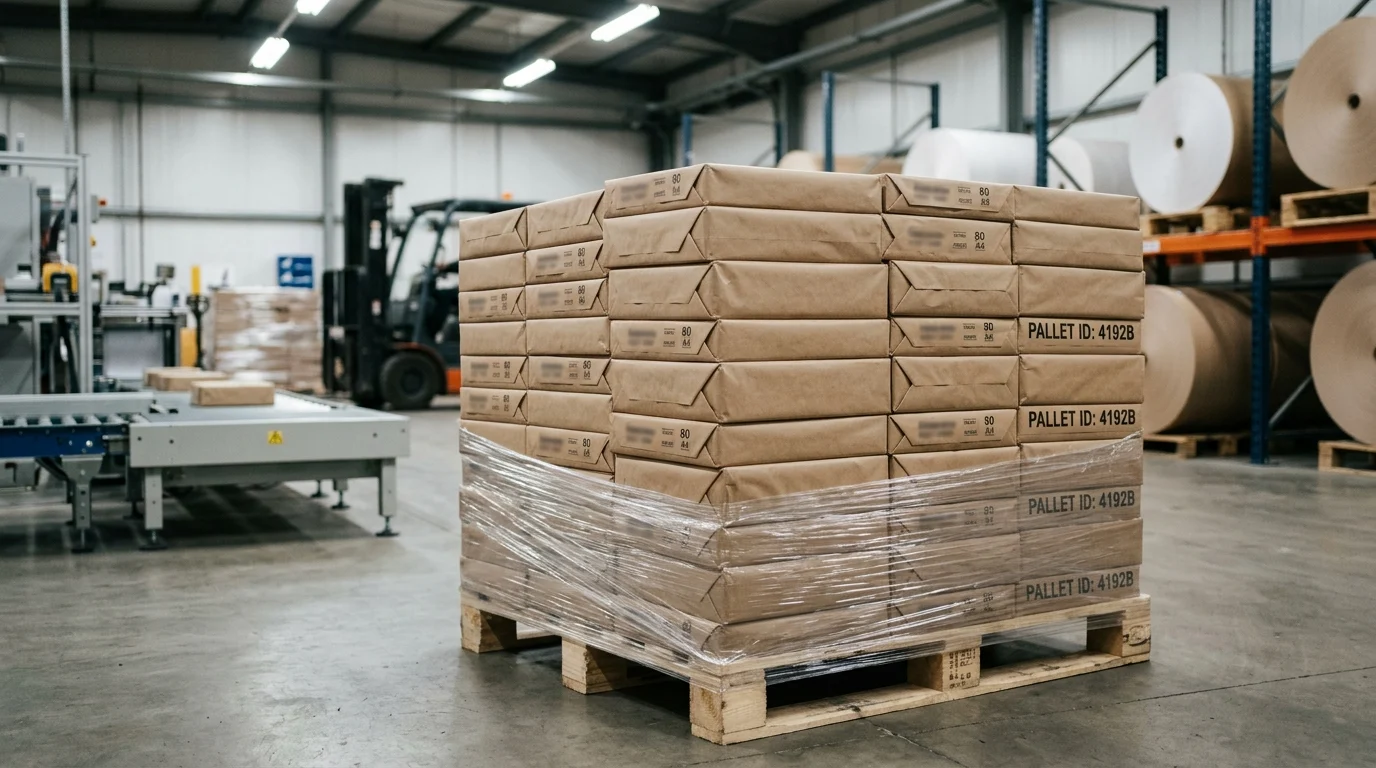
Finding the right paper is a delicate balancing act. Buyers have to match the exact physical requirements of a print job with the unpredictable realities of global supply chains. AI acts as a bridge here, instantly aligning strict technical specifications with real-world logistical data.
Comparing grade, weight, brightness, and compliance
Paper specifications go far beyond just picking a color. Procurement teams must weigh grade, weight, brightness, and environmental compliance, and matching these manually across dozens of suppliers is tedious. For example, a marketing brochure might require an 80 lb gloss cover with a 98 brightness level, while internal forms only need a standard 20 lb bond at 92 brightness. AI systems quickly filter out non-compliant suppliers, ensuring that every ream meets required Forest Stewardship Council (FSC) certifications or recycled content minimums.
| Feature | Standard Copy Paper | Premium Brochure Stock |
|---|---|---|
| Weight | 20 lb Bond / 75 gsm | 80 lb Cover / 216 gsm |
| Brightness | 92 | 98 |
| Finish | Uncoated | Gloss or Matte |
| Cost Premium | Baseline | +40% to +60% |
Note that the cost premiums listed above are approximate and can vary widely based on region, order volume, and specific coating requirements. AI procurement tools analyze these fluctuating variables in real time, matching buyers to the most cost-effective tier that still meets their technical specifications.
Balancing lead times, mill capacity, and freight
Even if a supplier has the perfect paper, it does not matter if it cannot arrive on time. AI procurement platforms constantly weigh mill production schedules against freight availability. Instead of being caught off guard by a sudden shortage, algorithms track mill capacity and predict when production lines will tighten. They also factor in transportation variables, recognizing that freight costs can fluctuate significantly. For example, depending on the season, route, and carrier availability, spot rates for a truckload can vary widely, sometimes ranging from $500 to $1,200. By balancing these elements, AI can help companies optimize delivery schedules, which in some cases reduces average lead times from several weeks down to just a few days.
Implementing AI-Tailored Procurement
Moving to an AI-tailored procurement model requires significant groundwork. Machine learning models are only as good as the information feeding them. Organizations face real implementation barriers, including complex legacy ERP integration, extensive data cleansing efforts, and high supplier onboarding costs. Furthermore, change management is critical to ensure procurement teams actually adopt the new workflows rather than reverting to familiar spreadsheets.
Preparing spend data and supplier inputs
The first step in implementing these tools is organizing internal data. AI thrives on historical information, so procurement teams need to gather and clean their past purchasing records. While requirements can vary widely, an AI platform often needs roughly 12 to 24 months of clean historical spend data to build accurate forecasting models. This process involves standardizing SKU numbers across different vendors, consolidating supplier scorecards, and defining clear parameters around acceptable pricing thresholds and delivery windows. Overcoming these initial integration hurdles and ensuring data accuracy are critical; once the system understands past behaviors, it can more accurately predict future needs.
Evaluating savings, quality, and risk
After the system is running, teams must track its performance to ensure it is delivering value. Evaluating success means looking at a blend of cost savings, material quality, and risk reduction. Depending on the organization’s prior efficiency, some early adopters of AI paper procurement have reported potential drops in total paper spend ranging from 9% to 15% within the first year, largely due to optimized freight routing and better bulk pricing matches. Furthermore, supply chain risk decreases. Because the AI constantly monitors supplier health and regional disruptions, it can suggest pivoting orders to backup mills before a localized issue turns into a company-wide shortage.
Key Takeaways
- Use AI-driven procurement tools to move beyond static catalogs and match paper products to real purchase history, job specifications, and supplier availability.
- Automating routine sourcing can reduce procurement cycle times by up to 40% in some implementations, allowing buyers to focus more on strategy and supplier management.
- AI can compare technical details such as basis weight, caliper, brightness, formation, and runnability to recommend reliable paper substitutes when preferred stock is unavailable.
- Procurement teams should use AI to filter non-compliant options early, including products that fail to meet FSC certification or recycled-content requirements.
- Human approval remains essential, especially for final purchasing decisions, supplier negotiations, and evaluating whether AI-recommended substitutions meet production needs.
Frequently Asked Questions
How does AI personalize paper procurement for B2B buyers?
AI analyzes historical purchases, job requirements, supplier performance, inventory levels, and sustainability preferences to recommend paper products that fit each buyer’s technical and commercial needs.
Can AI reduce sourcing time for paper buyers?
Yes. By automating product matching, supplier filtering, and substitute recommendations, AI can shorten routine sourcing cycles, with some early adopters reporting reductions of up to 40%.
What paper specifications can AI compare?
AI can compare grade, basis weight, caliper, brightness, formation, runnability, recycled content, and certifications such as FSC to identify suitable products or substitutes.
Does AI replace human procurement teams?
No. AI supports procurement teams by surfacing better options faster, but buyers still provide oversight, approve substitutions, negotiate terms, and manage supplier relationships.
How does AI help when a preferred paper stock is unavailable?
AI can monitor inventories and suggest approved alternatives that match required specifications, helping buyers avoid delays and keep print production moving.
Post time: Jul-17-2026


